In industrial piping systems, fluid backflow is far from a minor issue—it can damage expensive pumps, disrupt production, and drive up maintenance costs. The unidirectional and stable transportation of fluids is a critical link in ensuring continuous production and equipment safety protection. If you have ever been troubled by leaks, frequent repairs, or unexpected shutdowns caused by traditional check valves, the tilting disc check valve is here to solve these problems once and for all. Designed for complex working conditions in fields such as petrochemicals, water supply and drainage, power generation, and shipbuilding, it not only effectively prevents core equipment like pumps and compressors from impact damage caused by reverse medium flow, reducing costly maintenance expenses, but also significantly lowers energy consumption in industrial piping fluid transportation and control systems while improving overall operational efficiency.
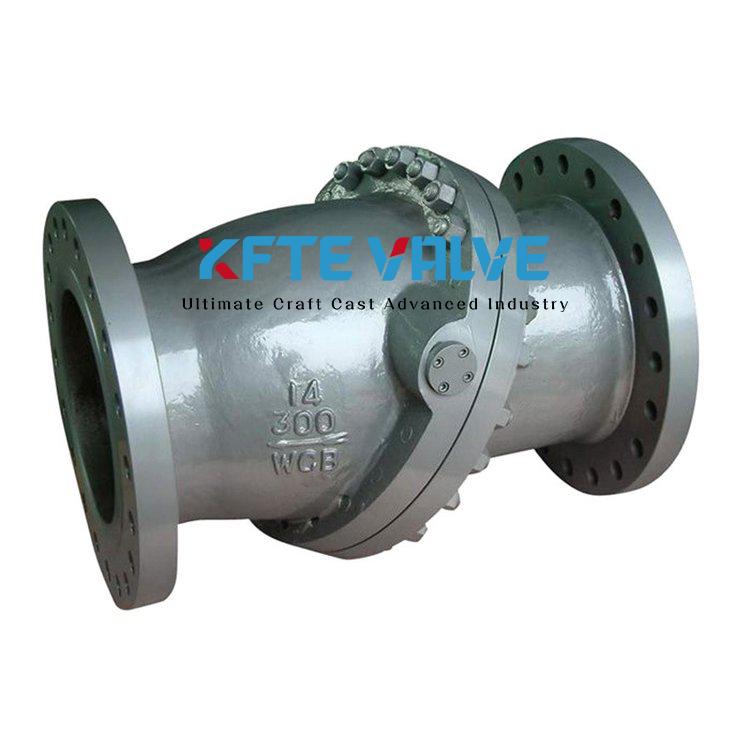
Compared with traditional check valve types such as ordinary lift check valves and swing check valves, the tilting disc check valve stands out with remarkable advantages in coping with complex working conditions and optimizing operational performance. In practical applications, traditional check valves often face numerous issues: The discs of lift check valves move vertically, creating extremely high flow resistance that causes a sharp increase in pump energy consumption—wasting electricity costs every month. Moreover, when transporting viscous media like crude oil, the discs are prone to jamming, forcing production to be halted for unclogging. Swing check valves are no better: When they close, they cause a "water hammer effect"—a sudden pressure surge that vibrates pipelines and damages water pumps, often requiring parts replacement every six months. These problems not only slow down production progress but also severely impact the economic efficiency of production.
The emergence of the tilting disc check valve fundamentally resolves these pain points through its innovative design.
What are the core advantages of this valve? First and foremost is its innovative tilting disc design. Unlike traditional valves, its disc rotates around an eccentric shaft and forms a 15°-30° angle with the direction of fluid flow. This brings two significant benefits: Firstly, the fluid exerts greater thrust on the disc, enabling faster opening; secondly, the fluid can flow smoothly along the surface of the disc without eddies or blockages. Its flow resistance is 50%-67% lower than that of swing check valves, which can significantly reduce pump energy consumption and save you electricity costs. In addition, the disc and valve seat undergo high-precision grinding, and high-end models are further equipped with hard alloy or polytetrafluoroethylene (PTFE) seals. This allows the valve to operate within a temperature range of -40℃ to 450℃ and maintain a leak-free state even after years of use—completely avoiding accidents and losses caused by backflow.
It also effectively resists the water hammer effect, making it a "natural barrier" for the system. The tilting disc is lightweight with low inertia. When the fluid flow rate decreases, the disc can close quickly and smoothly with the help of gravity or a spring (depending on the model), greatly shortening the interval between opening and closing and preventing sudden pressure surges. For example, in a thermal power plant, if the steam turbine shuts down unexpectedly, this valve can close within 0.5 seconds, preventing steam backflow from damaging boilers and pipelines; in chemical plants, it can protect centrifugal pumps from seal damage or impeller deformation, extending the service life of equipment. Some models are also equipped with buffer devices to further reduce noise during closing, making the working environment quieter and the system operation more stable.
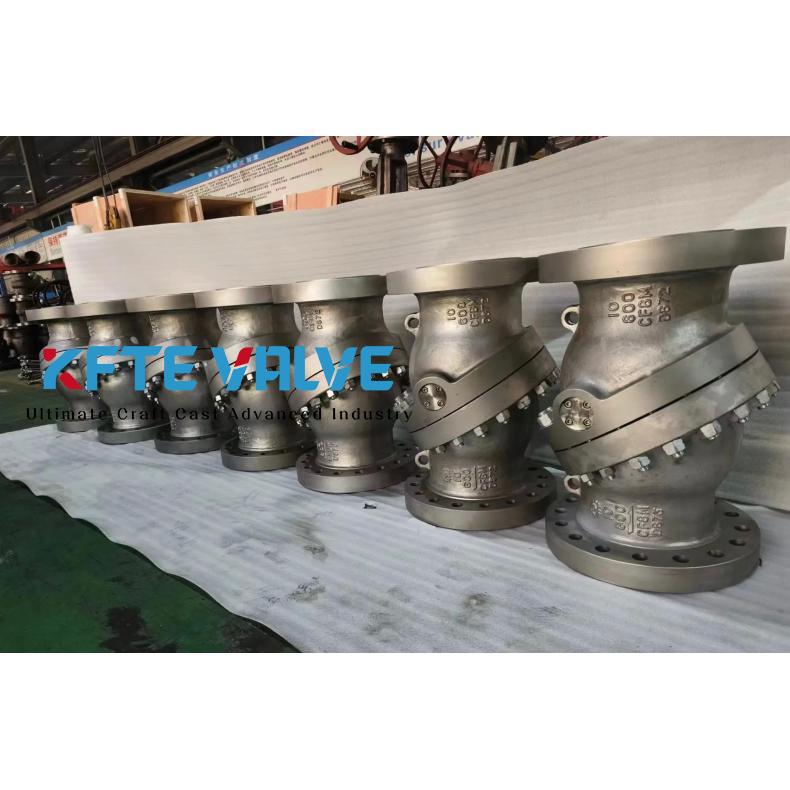
Tilting disc check valve can be installed horizontally, vertically (with fluid flowing upward) or at an incline, eliminating the need to readjust the pipeline layout to fit the valve. It also has a variety of connection methods, including flange connection, wafer connection, welded connection (butt welding, socket welding) and threaded connection, enabling seamless connection with pipelines of different specifications and materials. Its diameter range covers DN50-DN2000, and its pressure rating reaches PN1.0MPa-PN42.0MPa, making it capable of easily handling applications ranging from municipal water supply and drainage to high-pressure oil and gas transportation. Intelligent models can also integrate position sensors and pressure sensors to real-time monitor the valve's opening and closing status and changes in medium pressure inside the pipeline. The collected data is transmitted to the central control system, enabling remote monitoring and fault early warning—making operation and maintenance more efficient without the need for frequent manual inspections.
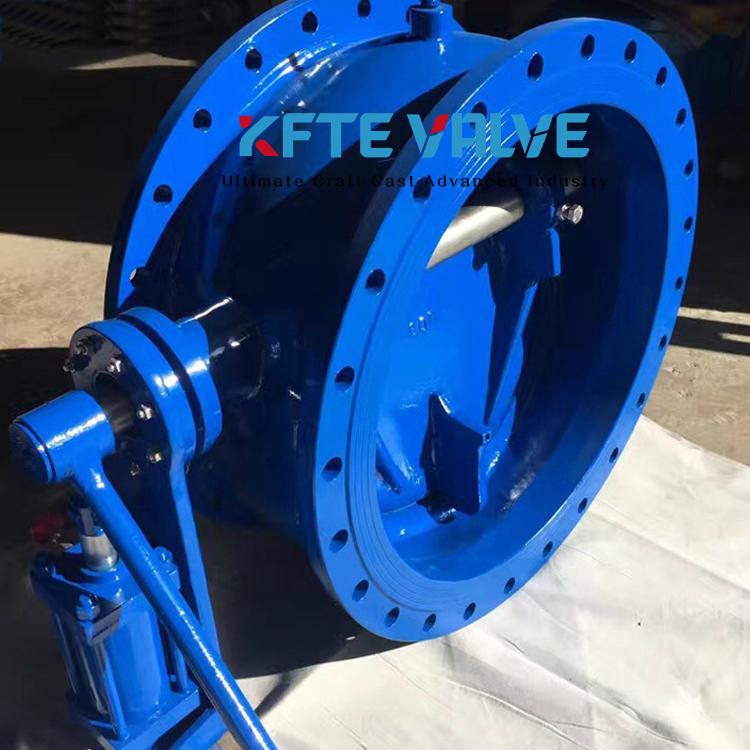
Its application scenarios cover almost all industrial fields that require prevention of fluid backflow: In the petrochemical industry, it is installed at the outlets of centrifugal pumps and compressors to protect equipment and save energy; in water supply and drainage engineering, whether in the secondary pressure booster stations of urban water supply networks or the water supply and drainage systems of high-rise buildings, it can avoid the water hammer effect and ensure the safety of pipelines and water pumps; in the power generation industry, it is used in the boiler feedwater pipelines, steam pipelines of thermal power plants and the cooling water pipelines of nuclear power plants, withstanding the challenges of high temperature and high pressure; in the shipbuilding industry, it is adapted to the ballast water systems and fuel systems of ships, resisting seawater corrosion and ship vibration; and in industries such as food and pharmaceuticals, metallurgy, and water treatment, it has become the preferred alternative to traditional check valves due to its efficient and reliable performance—for example, in the juice and sauce transportation pipelines of food processing, sanitary-grade tilting disc check valves can ensure no medium retention or leakage, meeting food safety standards.