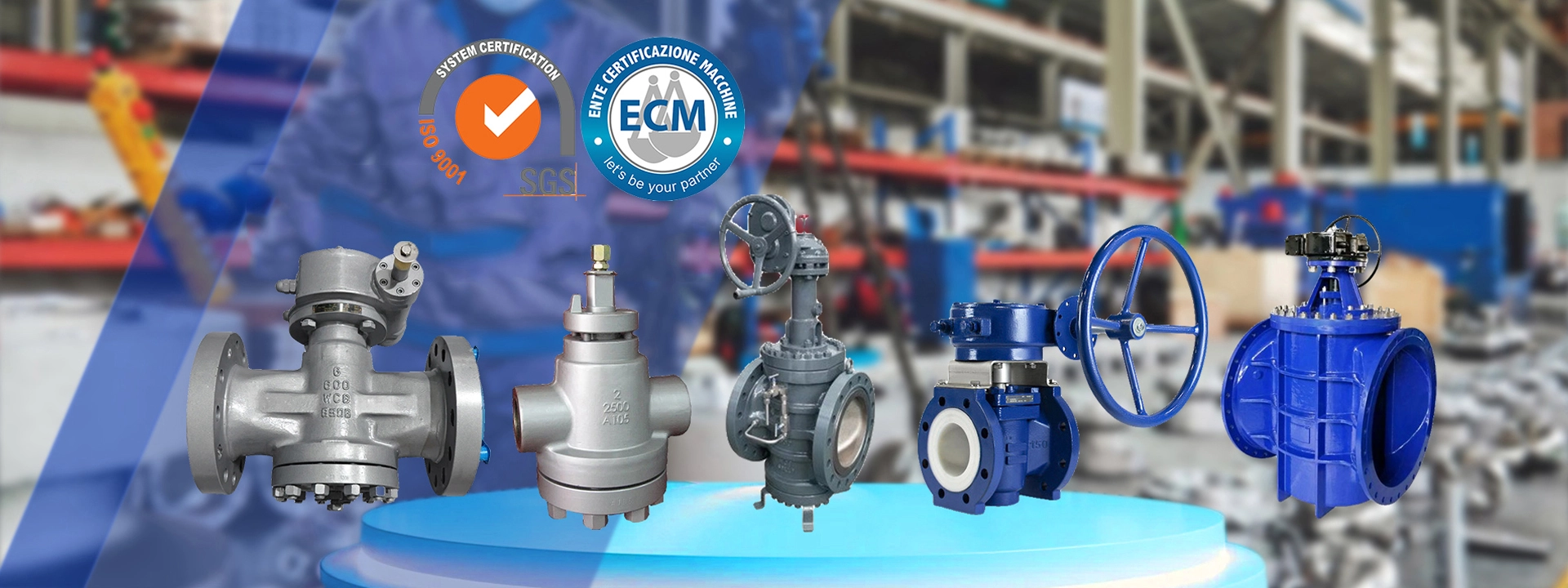
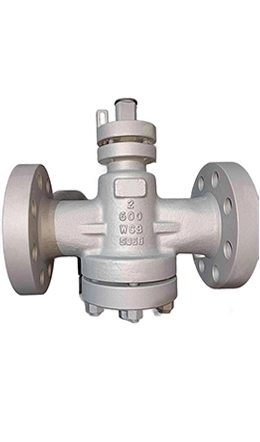
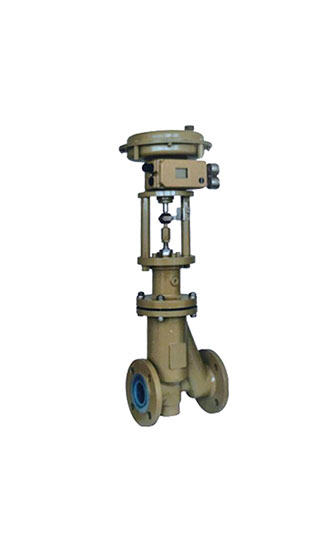
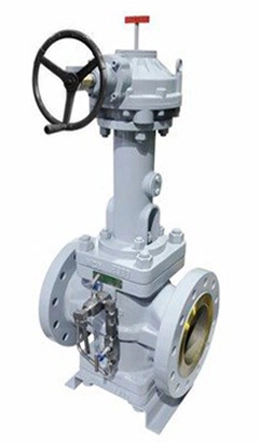
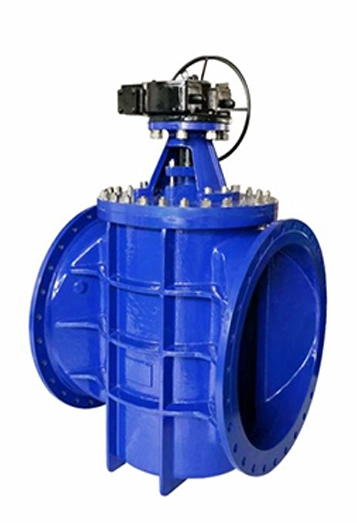
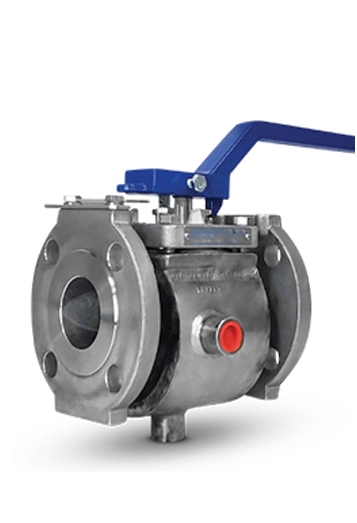
A plug valve is based on a plug with a hollow passage in the valve body. The quarter-turn motion creates an alignment between the pipe and the hole, leading to an open state. When turned to a 90-degree angle from the open position, the valve sits across the pipe leading to a closed state. KFTE plug valves can be divided into five major groups, depending on their functionality. These groups are lubricated, sleeved plug valve, multi-port, double block & bleed and eccentric. Design & Manufactured to API 6D, API 594, ASME B16.34 or Equivalent. Pressure Ratings from Class 150 to Class 2500, PN16 to PN420. Sizes Ranges from 1/2”thru 60”. A variety of body and trim material is offered, including Carbon Steel, Low Temperature Carbon Steel, High Temperature Alloy Steel, Stainless Steel, Duplex & Super Duplex Steel.
As a leading plug valve company, KFTE Valve delivers customized solutions worldwide. Explore our butterfly valve types below or contact our valve factory for industrial valve service solutions to meet your specific products need.
1. Simple and Robust Design
Compact construction with fewer components, reducing failure points.
Tapered or cylindrical plug ensures tight shutoff even in high-pressure or abrasive conditions.
Durable materials (e.g., cast iron, stainless steel, alloy coatings) resist corrosion and wear.
2. Excellent Shutoff Capability
Metal-to-metal sealing (in lubricated plug valves) provides bubble-tight closure for critical applications like gas pipelines or chemical processing.
Non-lubricated designs use elastomer sleeves for zero-leakage performance in clean fluids.
3. Versatile Flow Control
Multi-port configurations (2-way, 3-way, 4-way) enable diverting, mixing, or splitting flow in a single valve.
Example: 3-way plug valves route fluids between tanks or processes without additional piping.
Full-bore design minimizes pressure drop, ideal for slurries, viscous fluids, or solids-laden media.
4. Low Maintenance and Easy Repair
Top-entry design allows access to internal components (plug, seats) without removing the valve from the pipeline.
Lubricated plug valves can be re-greased in-service to extend lifespan in harsh environments.
5. High-Pressure and Temperature Tolerance
Suitable for Class 150 to 2500 (ASME) and temperatures from -50°C to 540°C, depending on materials.
Common in steam systems, refinery pipelines, and high-temperature hydrocarbon processing.
6. Adaptability to Challenging Media
Handles abrasive slurries (e.g., mining, wastewater), viscous fluids (e.g., crude oil, asphalt), and corrosive chemicals (e.g., acids, caustics).
Fire-safe designs (API 607/6FA) prevent failure in emergency scenarios.
1. Design and Operation
Plug Valve:
Closure Mechanism-Uses a cylindrical or conical plug with a bore that aligns with ports. The plug rotates 90° or 180° to control flow.
Sealing-Metal-to-metal sealing (lubricated designs) or elastomer sleeves for tight shutoff. Ideal for abrasive or viscous media.
Flow Path-Often multi-port (3-way, 4-way) for diverting, mixing, or splitting flow.
Ball Valve:
Closure Mechanism-Employs a rotating ball with a through-hole. The ball turns 90° to open/close flow.
Sealing-Soft seals (PTFE, rubber) or metal seals for zero leakage. Better for high-pressure systems.
Flow Path-Primarily 2-way, though 3-way designs exist (L/T-port) for diverting or mixing.
2. Maintenance and Applications
Plug Valve:
Maintenance: Top-entry design allows in-line repairs without pipeline removal. Lubricated types require periodic greasing 7.
Applications:
Oil & gas pipelines (crude oil, sour gas).
Chemical processing (acid transfer, abrasive slurries).
Water treatment (sludge control)
Ball Valve:
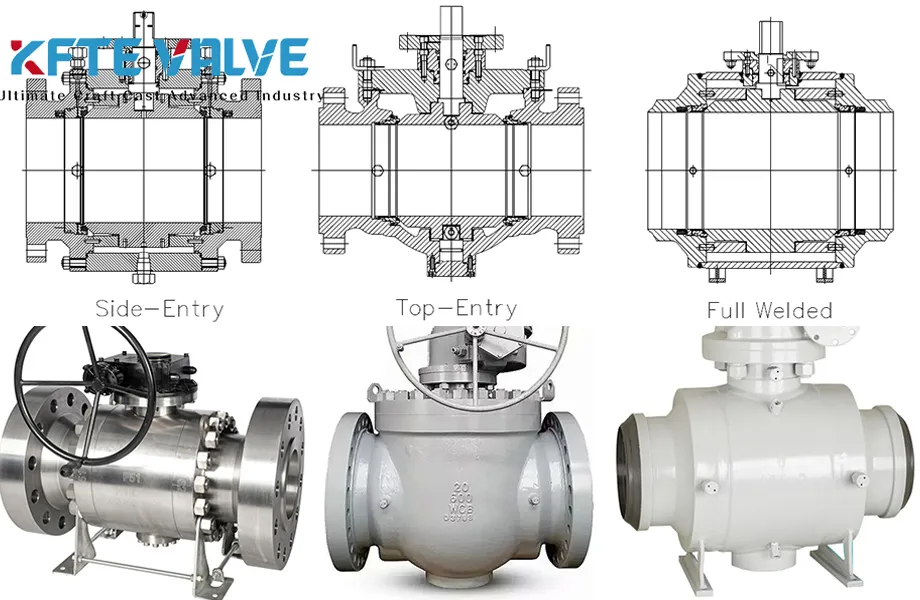
Maintenance: Side/top-entry designs simplify component access. Minimal friction reduces wear 27.
Applications:
High-pressure steam systems (power plants).
LNG cryogenic systems.
HVAC and general-purpose flow control