Gate valves are one of the most common valve types in industrial fluid control. However, in challenging environments, such as high temperatures, high pressures, abrasion, and erosion, soft-seated valves may struggle to perform effectively. This is where metal-seated gate valves come into play. Today, we'll thoroughly explain everything about them through two key topics.
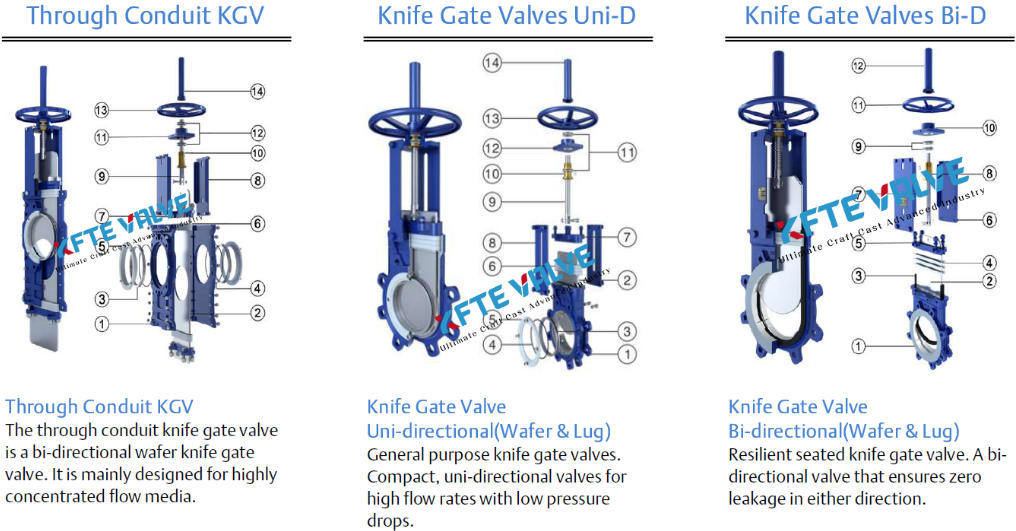
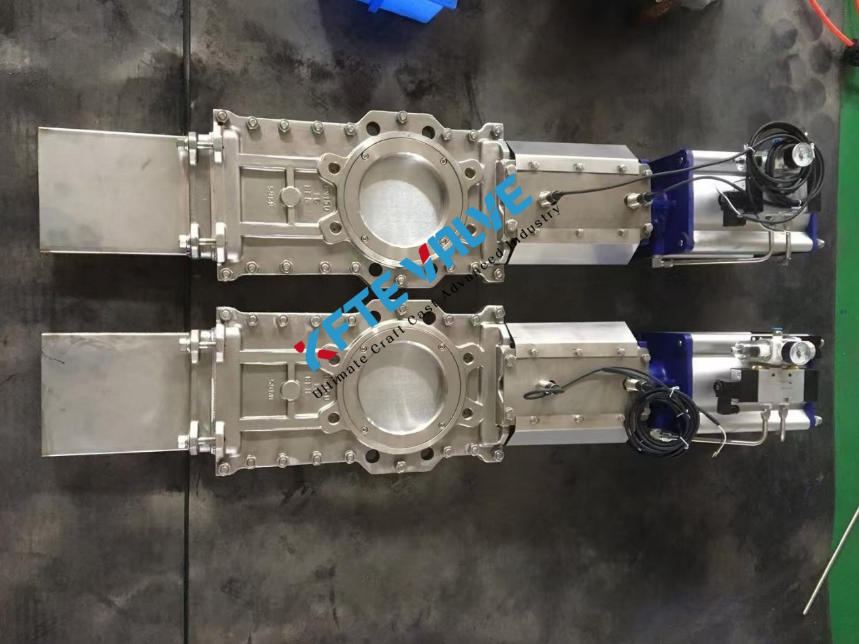
Metal-seated knife gate valves are the premium, enhanced version of the knife gate valve family, designed to handle the most demanding abrasive, corrosive slurries, and high-temperature conditions.
Features | Description |
Metal Seat | The valve's sealing elements (disc and seat) are both made of metal. This fundamental difference from conventional soft-seal knife valves makes them highly resistant to high temperatures, wear, and fire. |
Chip-Type | Its primary application area is slurry media (i.e., fluids containing high concentrations of solid particles, such as ore slurry, mud, coal dust, ash, etc.). |
Knife-Type Gate | The disc's blade-shaped design and sharp edges are designed to cut through fibers and solid particles, achieving a closed position. |
Applicable working conditions | 1. Mining and Mineral Processing: Ore slurries (copper, iron, gold, etc.), tailings, concentrates, and cyclone feed/underflow. 2. Power Industry: Limestone slurries, gypsum slurries, fly ash, and bottom ash conveying in flue gas desulfurization (FGD) systems. 3. Chemical Industry: Corrosive slurries, catalyst particles, titanium dioxide slurries, and phosphate slurries. 4. Oil and Gas Industry: Drilling mud, frac fluid, multiphase flow pipelines, and oil sands processing. 5. Paper Industry: High-concentration pulp, recycled fiber slurries, and filler (e.g., kaolin, calcium carbonate) slurries. 6. Steel and Metallurgy: Iron oxide sludge, steelmaking slag slurries, and dust removal slurries. |
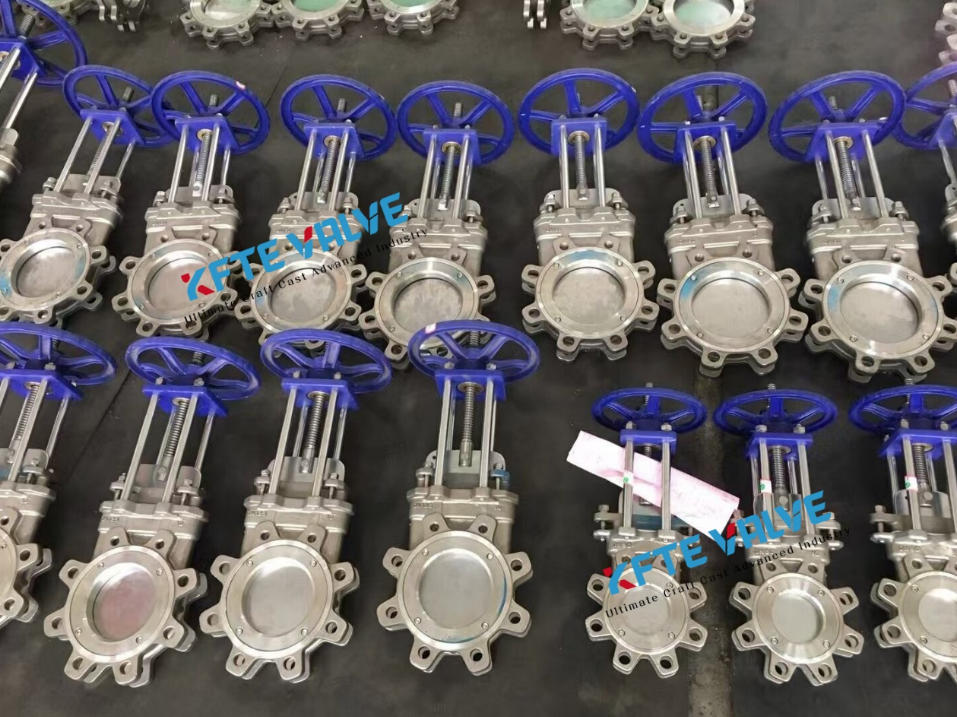
When selecting industrial valves, soft seals and metal seals are points that need to be carefully considered, as they will cause the valves to exhibit very different performance characteristics and each is suitable for specific operating conditions.
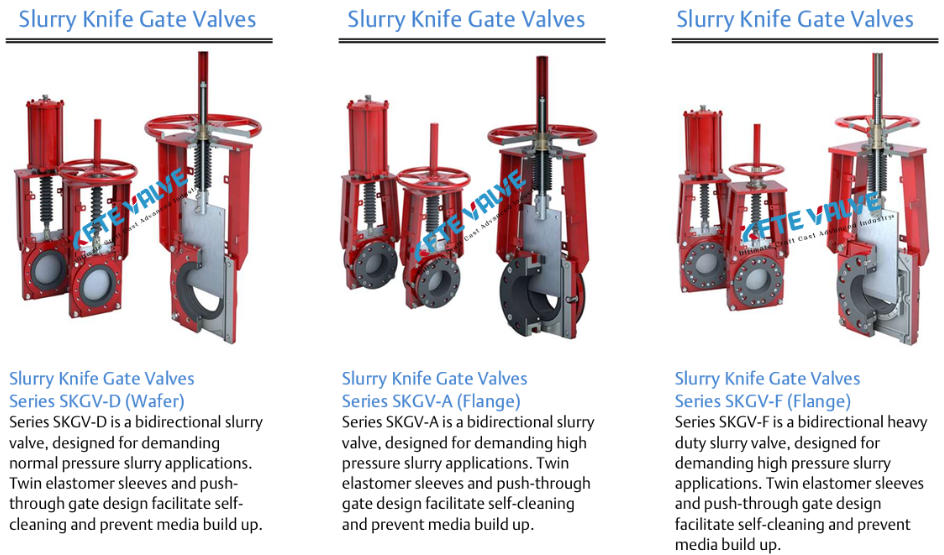
Soft-Seated Knife Gate Valve
Core Features: Utilizes a non-metallic valve seat (such as rubber, polyurethane, or PTFE), with a gate typically made of stainless steel. Its design leverages the elasticity of soft materials to achieve excellent sealing.
Advantages: Achieves extremely low leakage rates (even zero leakage) when handling common slurries or viscous media (such as sewage, pulp, and sludge) at ambient temperature and pressure, with low operating torque and high cost-effectiveness.
Disadvantages: Poor temperature and wear resistance. Non-metallic materials age and fail at high temperatures (typically >80°C to 200°C, depending on the material). Hard, particulate media can rapidly erode, cut, and wear the valve, leading to permanent seal damage. No fire safety certification.
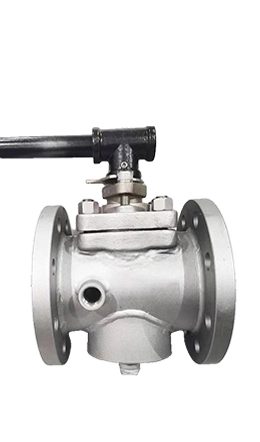
Metal-Seated Wedge Gate Valve
Core Features: The gate and seat seals are both made of metal (such as stainless steel or carbide) and precision-ground together. The design typically features a wedge-type or parallel double-disc design with a valve cavity.
Advantages: Designed for high-temperature, high-pressure service, they offer high pressure resistance (Class 600 and above). They maintain stable sealing performance under high temperatures and pressures, meet fire safety standards (such as API 6FA), and maintain a seal even after a fire.
Disadvantages: The complex flow path structure and the presence of a valve cavity can easily lead to accumulation and blockage of viscous or solid-particle-laden media, preventing the valve from closing properly. Scratches on the expensive metal sealing surfaces by solid particles are difficult to repair, making them unsuitable for slurry media.
Metal-Seated Knife Gate Valve
Core Features: This valve combines the cavity-free, straight-through flow path of a disc knife gate valve with a metal-to-metal seal. It is a high-performance product optimized for demanding slurry service.
Advantages: It offers excellent wear and erosion resistance while maintaining smooth, non-clogging flow. Its metal seal material is heat-resistant (typically ≥425°C), corrosion-resistant, and fire-safe. It is one of the few valve types capable of handling high-temperature, abrasive, and slurry service.
Disadvantages: It has the highest initial purchase cost. At room temperature and low pressure, its metal seal leakage rating is generally lower than that of soft-seat valves. Operating torque is generally higher than that of soft-seat valves.
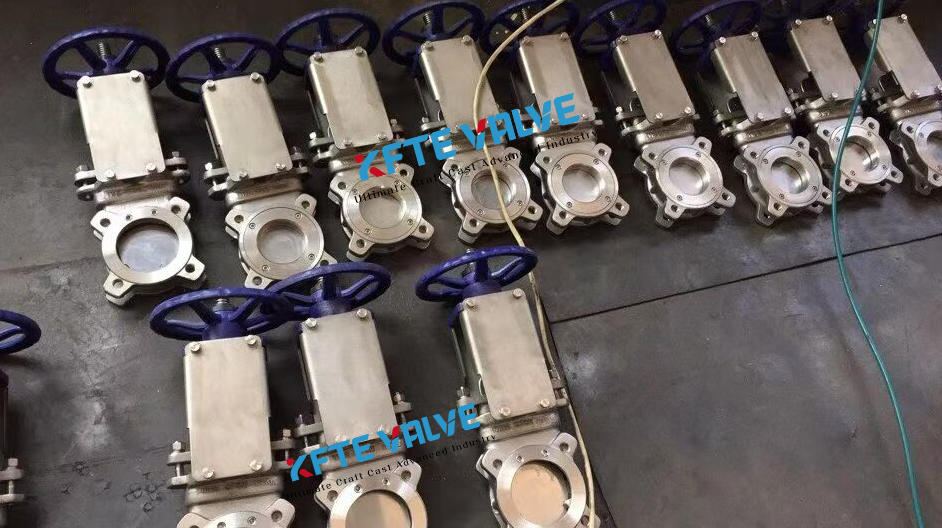
Metal-seated knife-type gate valves are not general-purpose valves; instead, they are specialized, heavy-duty equipment designed for high-temperature, high-abrasion, and highly corrosive slurry applications. Their reliability and longevity far outweigh their initial purchase cost, making them a key component in ensuring continuous, stable operation of production processes under harsh conditions.