KFTE Valve, a premier floating ball valve manufacturer in China, provides a comprehensive range of floating ball valves sized from 1/4" to 6" (DN 8 to DN 150) in ASME classes 150 to 2500. These floating ball valve types are fully customizable in size, pressure class, materials (including stainless steel float ball and copper options), and end connections to meet diverse floating ball valve applications in process plants, HVAC systems, and ball float valve water tank systems. Compliant with API 6D and ISO 17292 standards, our ball valve floating type ensures high-integrity bi-directional sealing for reliable performance in high-pressure environments.
Explore our floating ball valve types below or contact our floating ball valve factory for industrial valve service solutions to meet your specific needs.
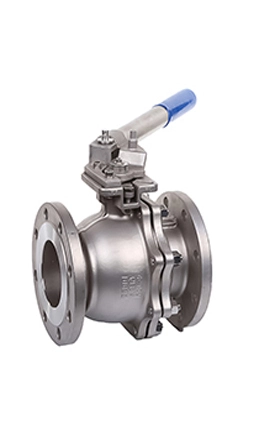
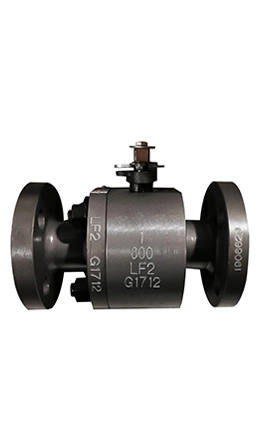
A floating ball valve is a shut-off valve that uses a ball that floats within the valve body, pressing against seats to create a tight seal. These products are widely used in industrial fluid control systems due to their reliability and simple structure. The floating ball valve working principle involves rotating the ball 90 degrees to align its central hole with the pipeline (open) or perpendicular (closed). This floating ball valve design ensures low torque, quick operation, and bi-directional sealing, ideal for high-pressure applications.
KFTE floating ball valves are engineered for versatility and reliability, offering:
Reliable On/Off Control: Ensures precise fluid management in ball type float valve systems.
Bi-Directional Flow: Allows flexible installation in various piping configurations.
High-Pressure/Temperature Handling: Performs reliably in demanding industrial conditions with high flow ball float valves.
Low Torque Operation: Enables quick and efficient valve actuation.
Durability: Features a wear-compensating ball valve design for long-lasting performance.
These valves are ideal for applications such as float valve with ball or float valve with copper ball in water and chemical systems.
The performance of a floating ball valve depends on the interaction between the ball, seats, stem, body, and sealing components. Unlike a trunnion-mounted ball valve, the ball in a floating design is not mechanically supported at the bottom. The seats provide the primary support for the ball.
When the valve is closed, upstream pressure moves the ball toward the downstream seat. This pressure-assisted sealing mechanism helps maintain shut-off as the differential pressure increases within the valve's rated operating range.
Key components typically include:
Valve Body: Forms the main pressure boundary and contains the internal valve components.
Ball: Controls the flow path through a central bore and rotates between open and closed positions.
Valve Seats: Provide the sealing interface between the ball and valve body.
Stem: Transfers rotational movement from the actuator or handle to the ball.
Stem Sealing: Helps prevent process media from escaping through the stem area.
Material selection for these components should be based on the process medium, pressure, temperature, corrosion conditions, and required service life.

The floating ball valve working principle is based on a 90-degree rotation of the ball.
Open position: The ball's bore is aligned with the pipeline, allowing the process medium to flow through the valve.
Closing: The stem rotates the ball approximately 90 degrees so that the bore becomes perpendicular to the flow path.
Sealing: Line pressure pushes the floating ball against the downstream seat, increasing the contact force between the ball and seat.
Closed position: The ball and seats block the flow path and provide shut-off.
This operating principle allows floating ball valves to achieve fast quarter-turn operation without requiring a complex internal mechanism.
KFTE Valve's floating ball valve design delivers exceptional performance with features including:
Simple Design: Provides reliable sealing and ease of operation in ball type float valve applications.
Bi-Directional Sealing: Ensures flexible flow control in stainless steel ball float valve applications.
High-Pressure Capability: Handles pressures up to ASME 2500.
Low Torque: Supports rapid operation in high flow ball float valve systems.
Wear Compensation: Maintains tight sealing, minimizing maintenance needs and extending the service life of stainless steel float ball components.
Available in materials such as stainless steel float ball and exotic alloys, compliant with EN 10204 3.1/3.2 standards for corrosion resistance and durability.
KFTE floating ball valves are trusted across industries for their reliability:
Oil and Gas: Controls pipeline flow and handles high-pressure fluids.
HVAC: Manages water flow in heating and cooling systems.
Chemical Processing: Handles corrosive fluids with robust floating ball valve design.
Water Treatment: Regulates water and wastewater in ball float valve water tank systems.
Pharmaceuticals: Ensures sterile flow in production processes.
As a leading ball valve company and floating ball valve exporter, KFTE Valve delivers customized solutions worldwide. Contact our floating ball valve factory and submit your inquiry below to discuss your project requirements.
KFTE Valve manufactures floating ball valves for industrial customers and valve projects requiring different sizes, pressure classes, materials, and connection configurations. Our product range covers cast and forged floating ball valve designs from 1/4" to 6" (DN 8 to DN 150), with pressure ratings up to ASME Class 2500.
Depending on project requirements, valve configuration can be discussed around:
Nominal valve size and pressure class
Body and ball material
Seat and sealing material
End connection requirements
Manual or actuated operation
Applicable design and testing standards
Material certificates and inspection documentation
As a floating ball valve manufacturer in China, KFTE Valve works with distributors, engineering companies, OEM customers, and industrial end users on valve sourcing and customized requirements. Contact our engineering team to discuss your operating conditions and valve specifications.
A floating ball valve uses the valve seats to support the ball, while a trunnion ball valve uses additional mechanical support to hold the ball in position. Floating ball valves are commonly used for smaller and moderate-size applications, while trunnion designs are often selected for larger sizes or applications with higher operating torque requirements.
The main floating ball valve configurations in the KFTE range are cast and forged floating ball valves. The choice depends on factors such as size, pressure class, material requirements, operating conditions, and project specifications.
Yes. Floating ball valves are available in different pressure classes, and KFTE offers configurations up to ASME Class 2500. The appropriate pressure class must be selected according to the actual design and operating conditions.
Floating ball valves can be used for suitable gas applications when the valve materials, pressure rating, sealing configuration, and applicable standards meet the service requirements.
Material options depend on the valve design and application. Carbon steel, stainless steel, and other material configurations can be selected according to the process medium, pressure, temperature, and corrosion requirements.