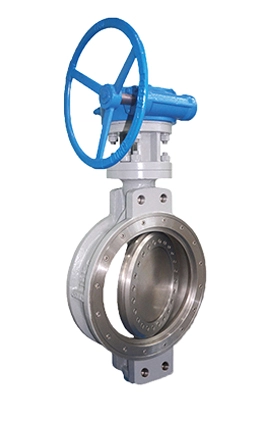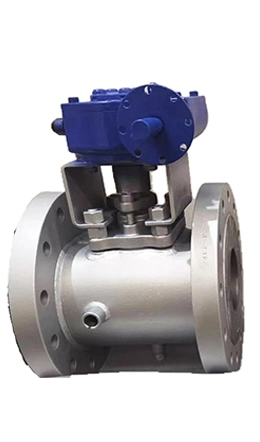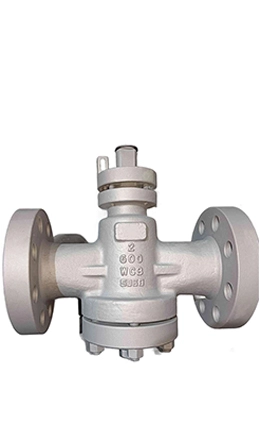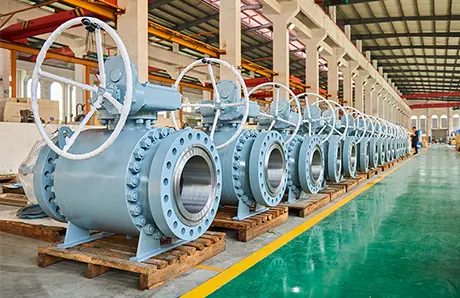
A valve is a device used to control the flow of fluids (such as water, gas, oil, or slurry) in a pipeline, and can be understood as the "switch" of the pipeline. They help the pipeline system function normally by adjusting the flow rate, pressure, or even completely cutting off the flow. There are many types of valves, and their designs vary, mainly depending on the type of fluid they are intended to handle. Generally speaking, valves can be divided into those suitable for clean liquids and those for complex fluids. For clean liquids, regular valves (such as ball valves, butterfly valves, etc.) are easily capable of handling the flow. However, for fluids containing solid particles, regular valves may face issues such as clogging, wear, and tear.
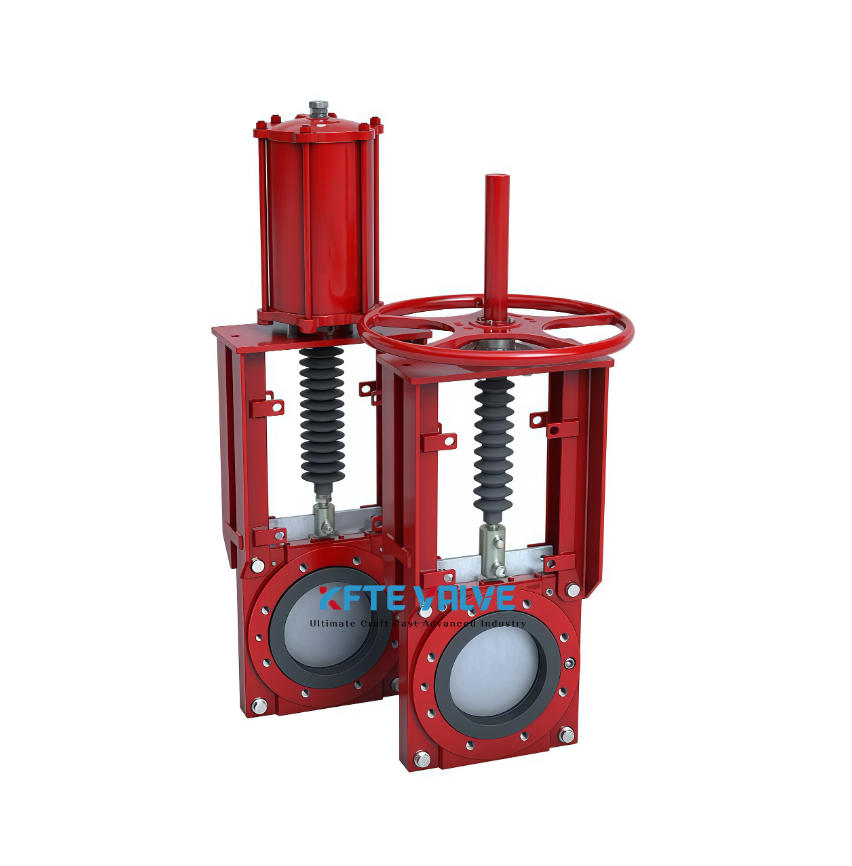
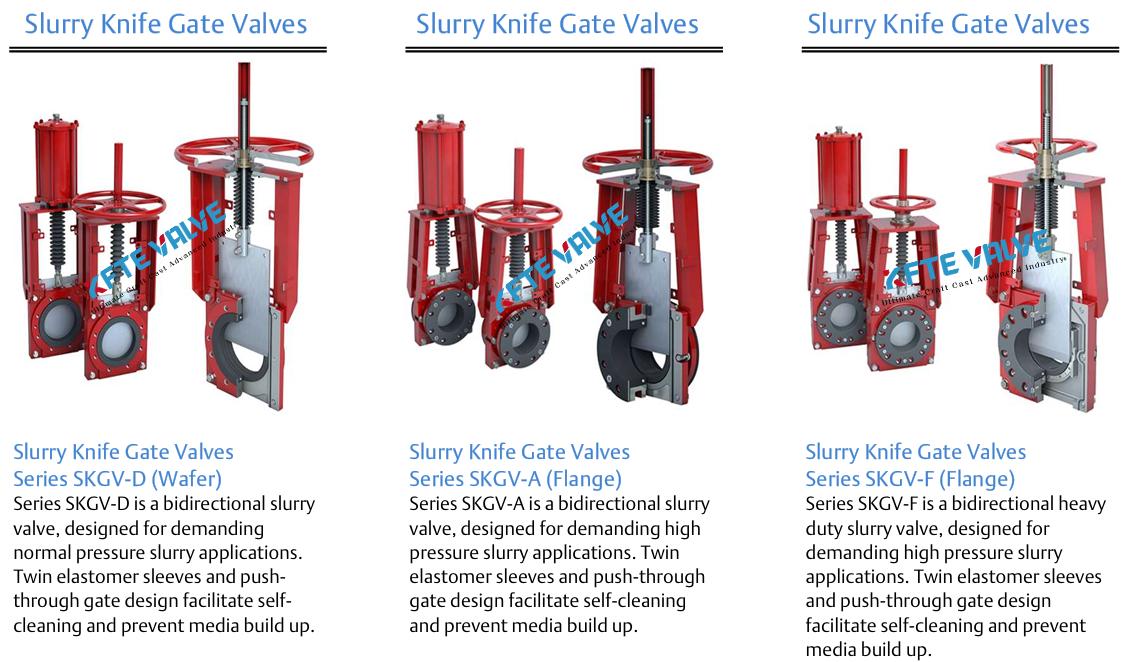
This is where the slurry knife gate valve proves to be particularly useful. It is specifically designed to handle fluids that contain large amounts of solid particles, such as slurry, mud, and wastewater. These fluids are not only thick and viscous but also carry insoluble particles. If regular valves are used, these particles can easily block the valve or even damage it. The design of the slurry knife gate valve avoids these issues. Its gate valve, shaped like a "blade," easily cuts through the solid particles in the fluid, preventing them from accumulating inside the valve and ensuring smooth operation.
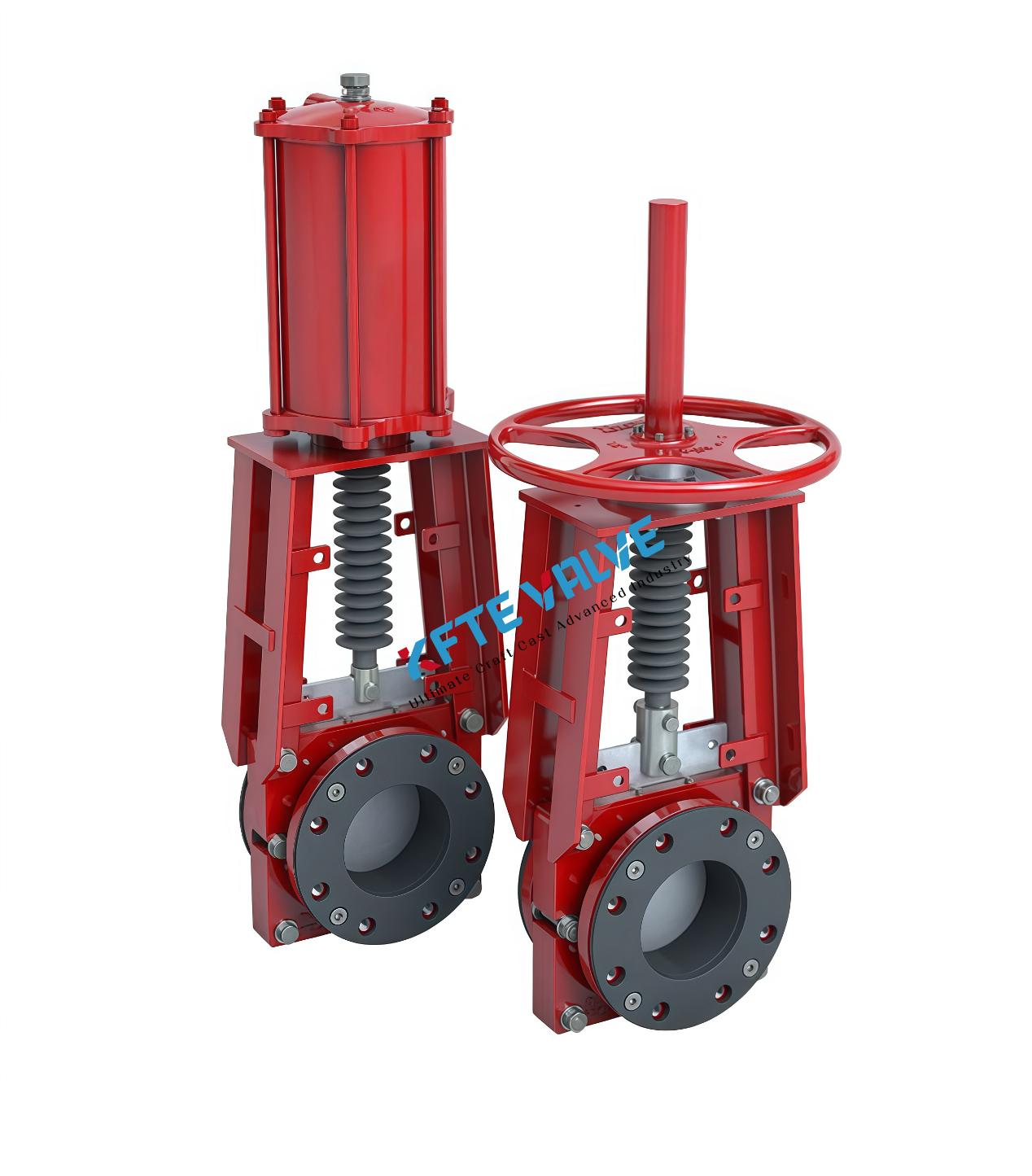
The blade-shaped gate valve is the key feature of the slurry knife gate valve. Each time the valve is opened or closed, the gate, like a blade, cuts through the particles in the fluid. This not only prevents clogging but also reduces wear caused by the friction of the particles. In contrast, regular valve gates are more commonly designed in spherical or butterfly shapes, which are suitable for clean fluids. For slurry, which contains solid particles, regular gates are less effective, often resulting in clogging or poor sealing.
In addition to the gate design, the slurry knife gate valve also uses special materials for its sealing ring, which can withstand the erosion of solid particles and maintain a good seal. The valve body and gate are generally made of highly wear-resistant materials such as cast iron, chromium alloy, or stainless steel, allowing them to resist particle abrasion during long-term use. Due to the special nature of slurry fluids, the wear resistance of the valve is especially important. Regular valves may quickly need to be replaced or maintained due to wear or clogging.
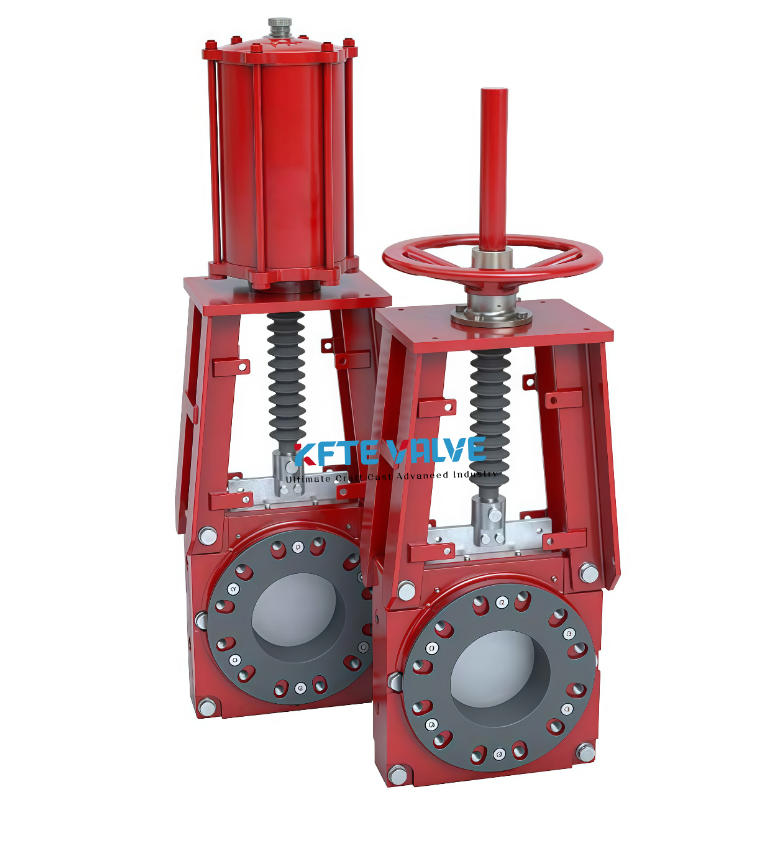
In summary, the design concept of the slurry knife gate valve is to address complex fluids containing solid particles. Through the cutting action of its blade-shaped gate, it ensures that the solid particles in the fluid do not interfere with the normal operation of the valve. When in operation, the gate moves up and down to open or close the valve, and the blade design helps the gate break apart solid particles, reducing the likelihood of clogging. When the valve is closed, the sealing ring ensures there is no leakage.
Compared to regular valves, the slurry knife gate valve works stably in environments with high particle concentration and viscous fluids, reducing clogging and wear, and extending its service life. For pipeline systems dealing with complex fluids such as slurry, wastewater, and mud, the slurry knife gate valve is a very reliable choice. In industries such as mining, chemical, power generation, wastewater treatment, papermaking, and food processing, where materials containing solid particles and high viscosity fluids are handled, the slurry knife gate valve has become an indispensable piece of equipment due to its excellent wear resistance, sealing ability, and cutting capacity.