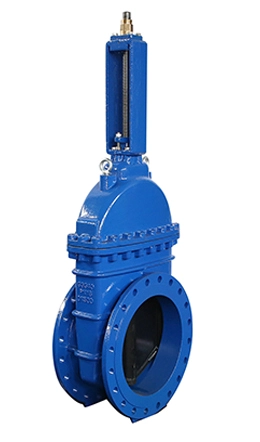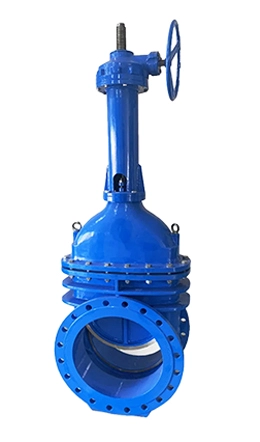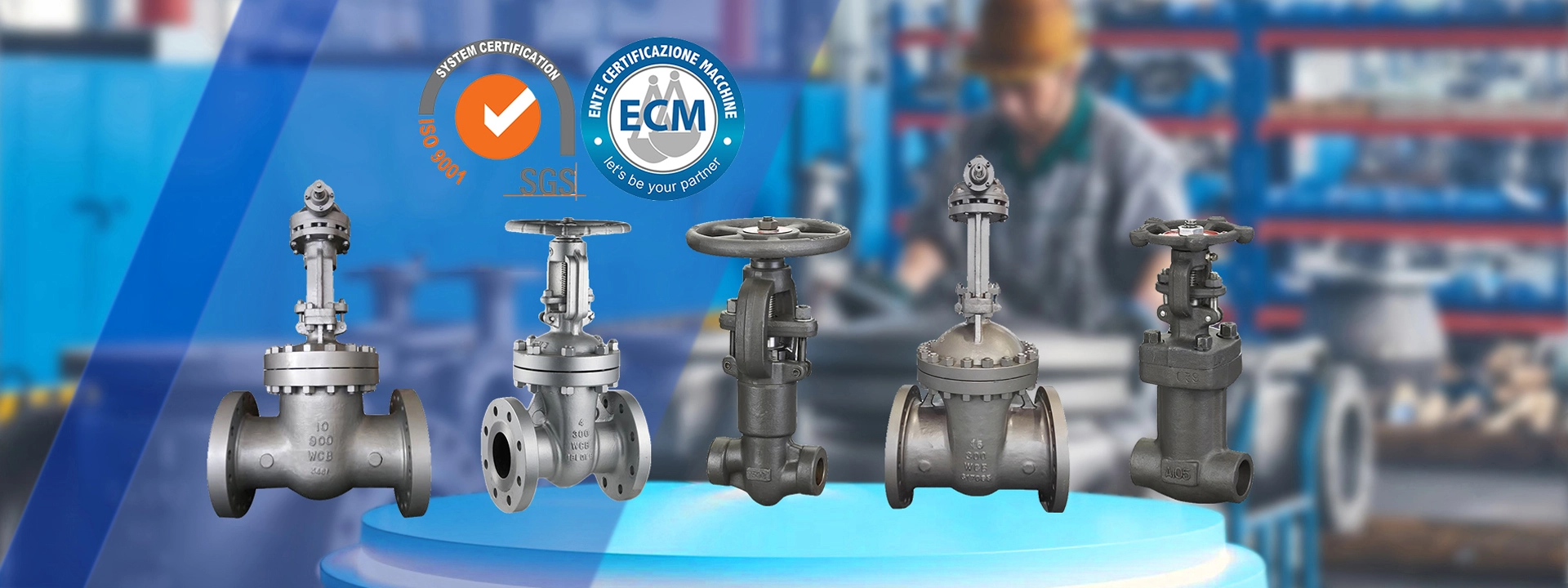
KFTE Cast Iron Gate Valve is suitable to fit between PN6, PN10/16 or ANSI 150 flanges (subject to configuration) and designed for general purpose, industrial and HVAC applications; hot and cold water heating installations and where a tight shut off is required. KFTE Cast Iron Gate Valve are commonly used for a wide range of applications, including air-conditioning and plumbing in buildings, fire fighting equipment, water and sewer lines and utility systems in various industrial plants.
As a leading gate valve company, KFTE Valve delivers customized solutions worldwide. Explore our butterfly valve types below or contact our valve factory for industrial valve service solutions to meet your specific products need.
The highest pressure rating for a cast iron gate valve typically depends on its class and operating temperature. Here’s a structured summary:
Material Considerations:
Cast iron is brittle and generally used in low to medium-pressure applications. It’s less durable under high pressure compared to ductile iron or steel.
Pressure Classes:
1. Class 125: Commonly used for cast iron valves. At ambient temperatures (around 68°F/20°C), these valves can handle pressures up to 200 psi (13.8 bar). However, the pressure rating decreases with increasing temperature (e.g., ~150 psi at 200°F/93°C).
2. Class 250: Less common for cast iron but exists. These valves can handle higher pressures, up to 250 psi (17.2 bar) at ambient temperatures, but are still temperature-dependent.
Temperature Effects:
Cast iron valves are not suitable for high-temperature steam or extreme thermal cycling. Their pressure ratings drop significantly at elevated temperatures (e.g., above 450°F/232°C, cast iron becomes unreliable).
Standards and Applications:
ANSI B16.34 and AWWA standards govern pressure ratings. Cast iron valves are often used in water systems, HVAC, and plumbing where pressures rarely exceed 250 psi.
For high-pressure applications (300+ psi), ductile iron or steel valves are preferred.
1. Water Distribution Systems
Municipal Water Supply: Used for mainline isolation, reservoir control, and pipeline sections. Cast iron handles potable water effectively, especially when lined with epoxy for safety.
Fire Protection Systems: Essential for on/off control in sprinkler systems and hydrants, ensuring reliable operation during emergencies.
2. Wastewater and Sewage Treatment
Sewage Systems: Suitable for non-aggressive wastewater management, though less ideal for highly acidic environments. Used in treatment plants and sewer lines.
3. HVAC Systems
Heating/Cooling Circuits: Controls flow of hot or chilled water in commercial/residential buildings. Suitable for moderate temperatures and pressures typical in HVAC applications.
4. Industrial Applications
General Process Lines: Used in industries like food processing, textiles, and pulp/paper for non-corrosive fluids (e.g., water, steam, oils).
Low-Pressure Steam Systems: Manages low-pressure steam in facilities, avoiding high-temperature/high-pressure scenarios where steel is preferred.
5. Agriculture and Irrigation
Crop Irrigation: Regulates water flow in distribution networks and pump stations, offering cost-effective solutions for large-scale systems.
6. Infrastructure and Plumbing
Commercial/Residential Plumbing: Installed in water mains, boilers, and drainage systems for reliable shut-off.
Legacy Systems: Maintained in older infrastructure due to historical use and compatibility.
7. Mining and Construction
Water Management: Used in dewatering and slurry pipelines, handling abrasive fluids where frequent throttling isn’t required.
Key Considerations
Pressure/Temperature Limits: Best for moderate pressures (typically ≤ 300 psi) and temperatures (up to 200°C). Avoid high-pressure oil/gas or extreme heat.
Corrosion Resistance: Suitable for mildly corrosive environments (e.g., water, sewage) but not for strong acids/bases. Linings (e.g., epoxy) enhance durability.
Material Limitations: Brittle compared to steel; avoid high-vibration or impact-prone areas.